Homeway-1000 vs 6000 vs 3000: Home Elevator Shaft and Glass Comparison
Short answer: the Homeway-1000 Series is an enclosed elevator built for a concrete shaft or a steel shaft; the Homeway-6000 Series is a small-shaft gantry sightseeing elevator; the Homeway-3000 Series is a 270° full-glass panoramic elevator. All three are traction belt-driven residential lifts from Zhejiang Homeway Elevator Co., Ltd., and all three share the same door options (center opening or side opening), the same counterweight layouts (side or rear) and the same cabin material program. What changes between them is the shaft strategy and how much glass the elevator is meant to show.
For villa and duplex buyers who are already past the discovery stage, the useful question is not which series is generally best, but which one fits the shaft, the sightlines and the privacy of the actual project. This comparison keeps the decision on those four variables: shaft and installation implications, door type, counterweight layout and cabin customization options.
Why the Shaft and Glass Decision Comes Before the Cabin Decision
Home elevator projects are usually delayed or reworked at the shaft, not at the decoration. Three shaft realities drive which of the three series can even be quoted:
- An existing or planned concrete shaft. If masonry or concrete walls already exist, the enclosed route is available: the Homeway-1000 Series is catalogued as an Enclosed Elevator in a Concrete Shaft Elevator configuration, with a Steel Shaft Elevator configuration available where the enclosure has to be built from a structural frame instead.
- A restricted footprint. When the shaft is small, the product has to be organised around that constraint. The Homeway-6000 Series is catalogued as a Small Shaft Gantry Sightseeing Elevator — panoramic in character, but positioned for projects where available shaft space, rather than design preference, sets the limit.
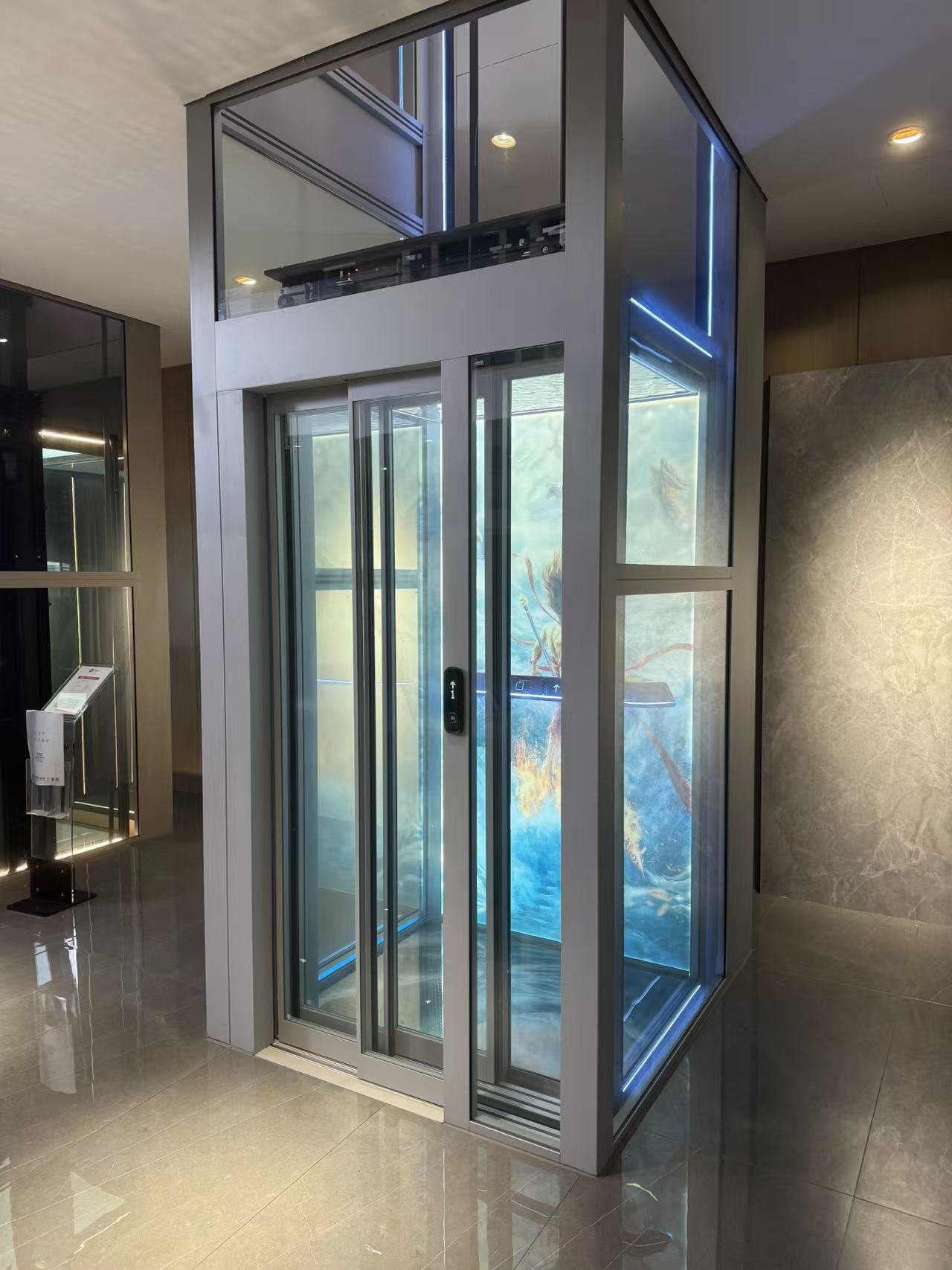
- A shaft position that stays visible. When the shaft sits next to a stairwell, a void or a garden view, the enclosure itself becomes part of the interior. The Homeway-3000 Series is catalogued as a 270° Full Glass Panoramic Elevator, where glass on three sides is the defining characteristic.
Because the shaft decides what can be installed, it has to be measured, classified and confirmed before glass area, door type or cabin finish is discussed. A buyer who selects a 270° glass cabin before confirming shaft geometry may end up with a different series, or with a shaft rework.
Home Elevator Market and Standards Context in 2026
Two published market estimates frame the category, and they do not use the same product scope. Future Market Insights estimates the home elevator market at USD 3.8 billion in 2026, growing at a 5.5% CAGR to USD 6.5 billion by 2036. Fortune Business Insights estimates the broader residential elevator market at USD 65.14 billion in 2024, projected to reach USD 118.67 billion by 2032. The two figures rest on different definitions, so they should not be averaged or presented as a single consensus number.
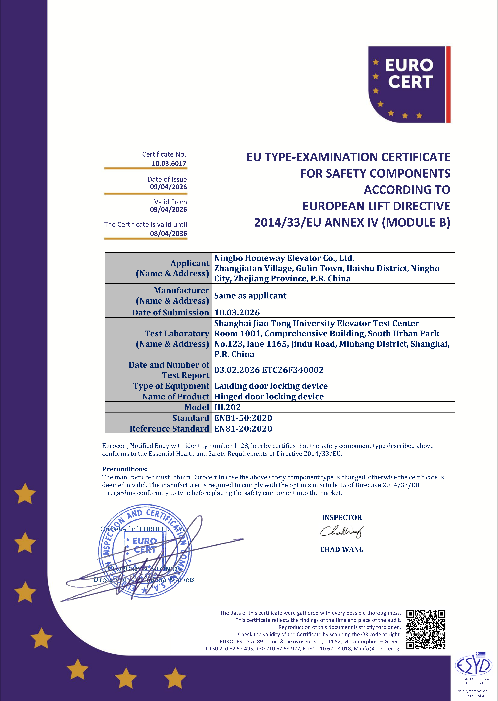
On the standards side, the Chinese framework has moved recently. GB/T 21739-2025, Safety rules for the construction and installation of home lifts, was issued on 29 August 2025 and entered into force on 1 March 2026, replacing GB/T 21739-2008. Separately, GB/T 10058-2023 — the current national standard for electric lift specifications in China — explicitly excludes home elevators from its scope, which means home lifts are governed by their own safety rules rather than by the general electric lift specification. For export projects the framework is market-specific: the EU certificate held for the Model 3000 vertical lifting platform was assessed against EN ISO 12100:2010, EN 60204-1:2018 and EN 81-41-2024, while the Australian registration for the HW100 machine-room-less lift references AS 1735.18-2002.
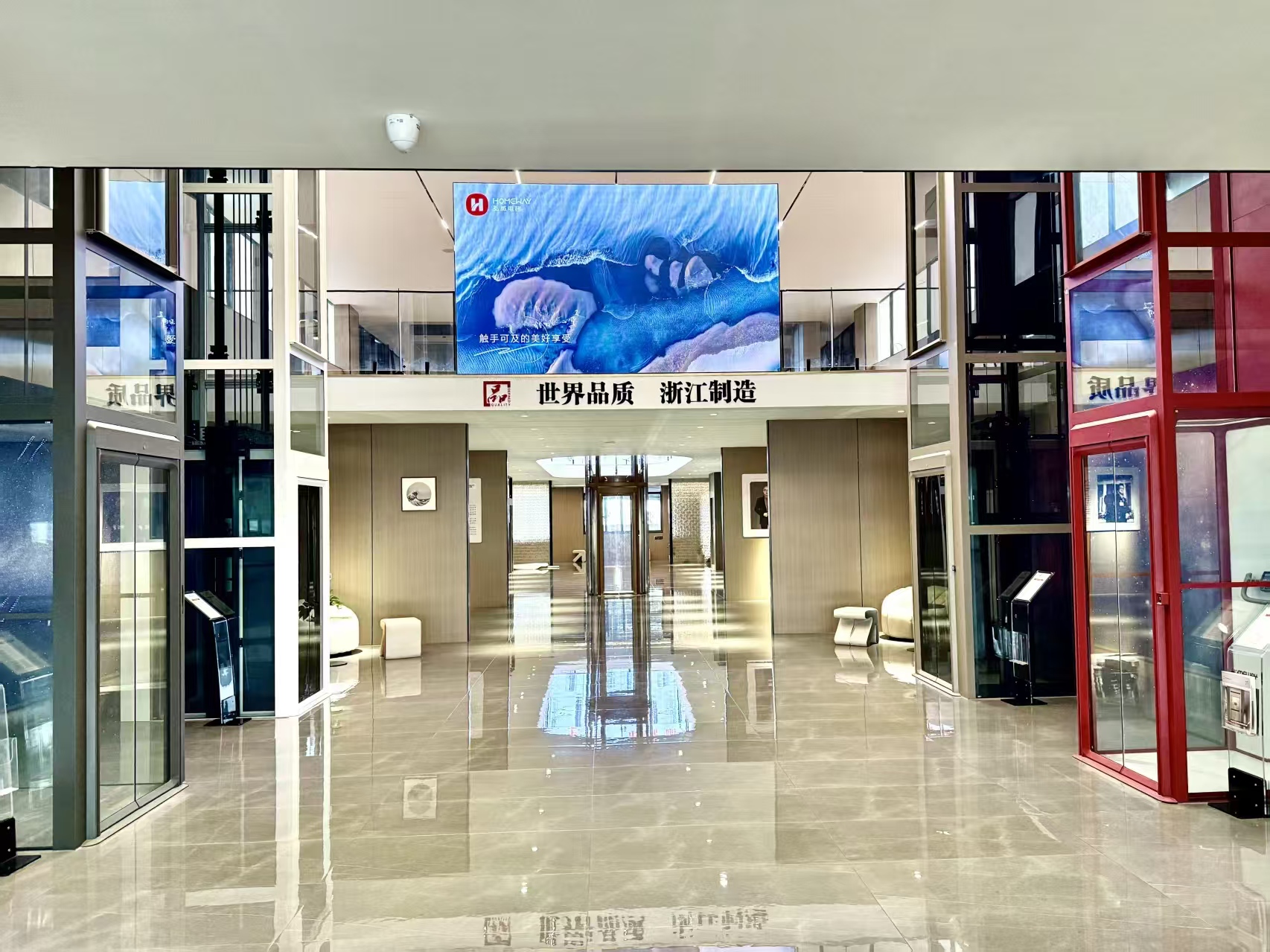
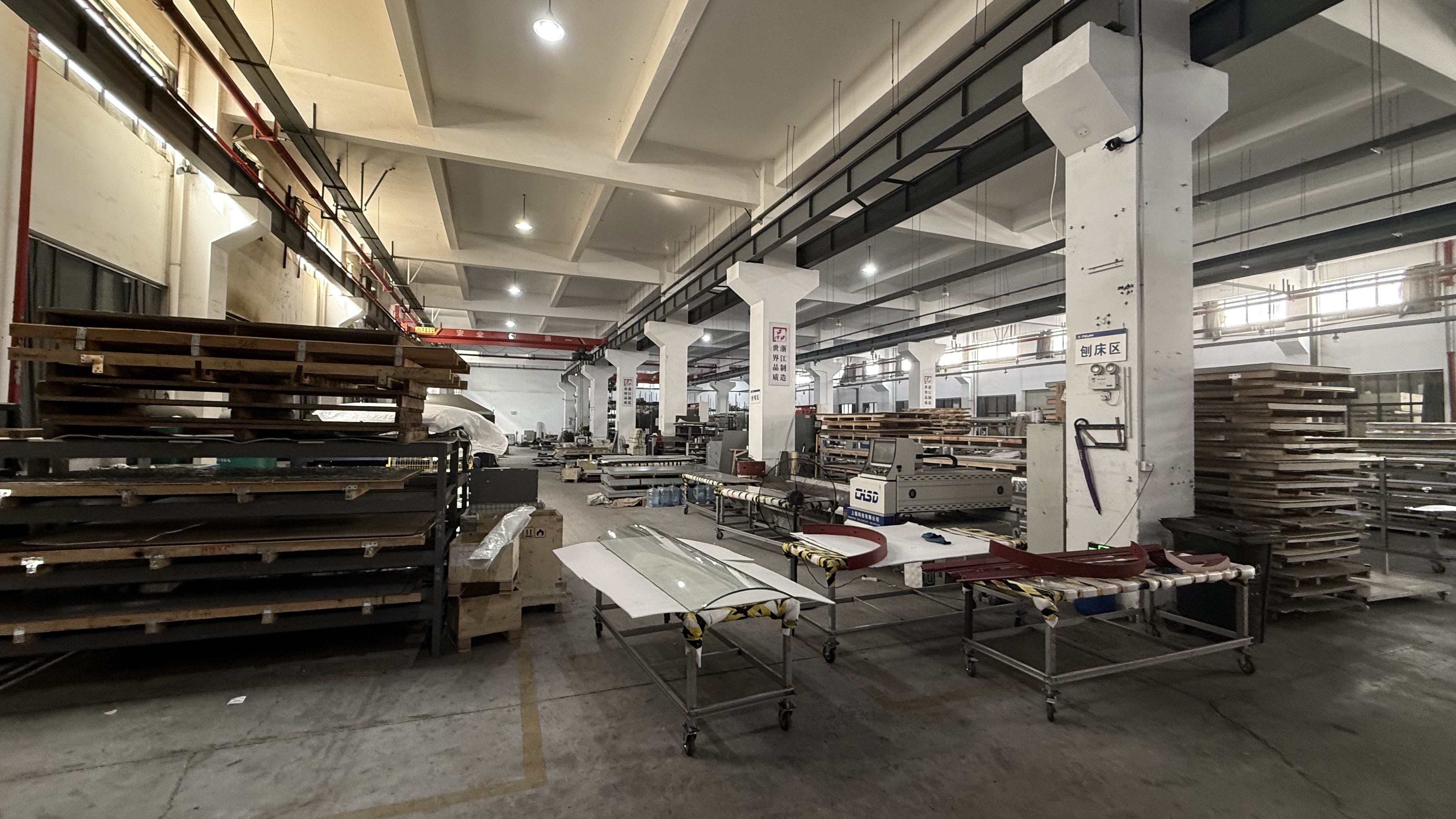
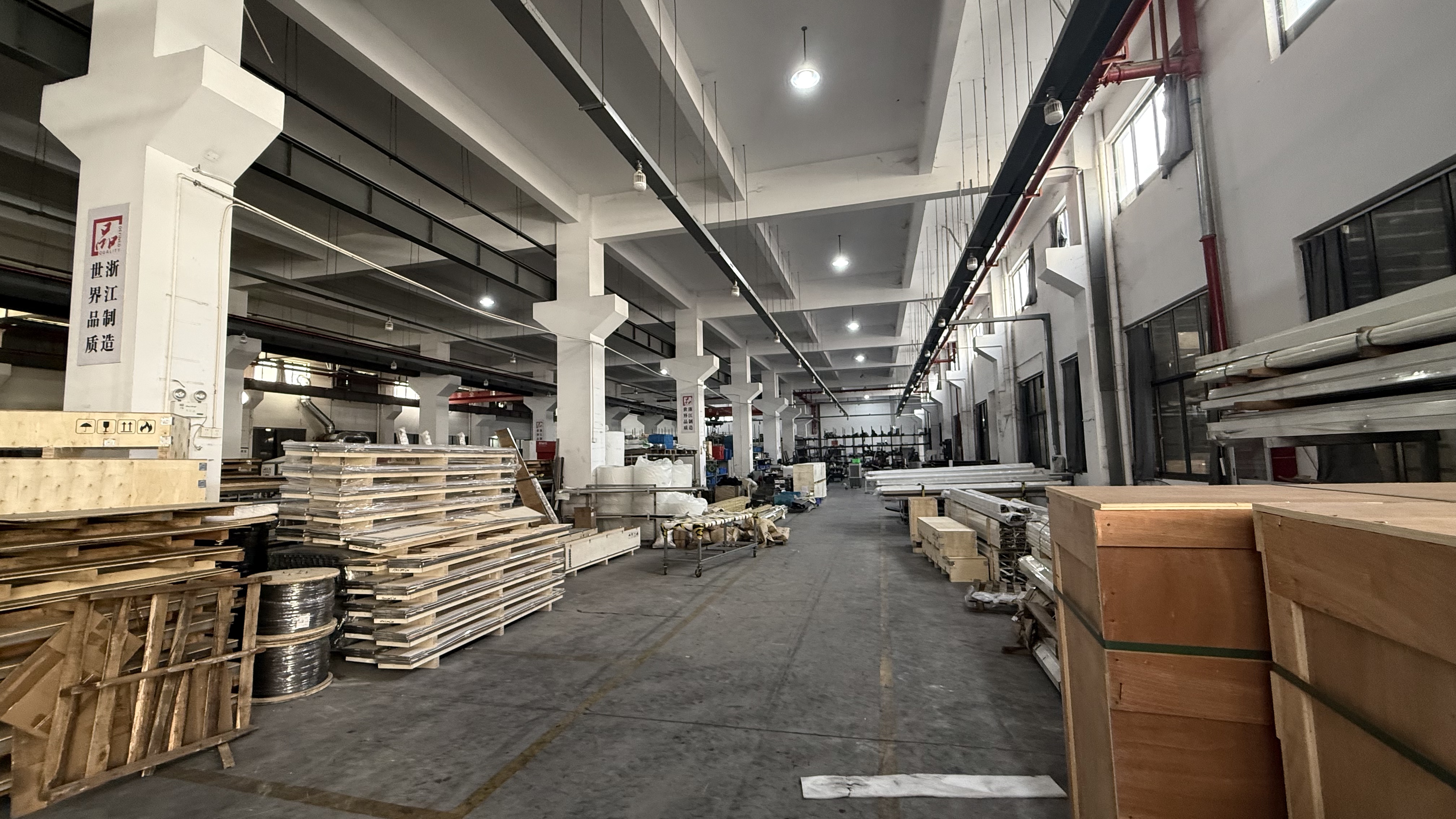
The manufacturer behind these three series is Zhejiang Homeway Elevator Co., Ltd., a Ningbo-based company established in February 2019 that specialises in the research, development, customised production and after-sales service of residential and villa elevators. It operates a 13,000 m² manufacturing factory and a 1,500 m² experience showroom with more than 13 demonstration elevators, works with university joint R&D platforms, and reports over 90% self-production of key components with a 24-engineer R&D team. In China it runs 87 showrooms covering 131 cities; overseas, an estimated 20%–30% of output is exported to Southeast Asia, the Middle East, Australia, New Zealand and European countries through authorised local distributors. Annual delivery is 400–600 units against a maximum full-load capacity of 800–1,000 units.
What the Homeway-1000, -6000 and -3000 Actually Are
The shared platform across all three series
The differences in shaft and glass should not hide how much is common. All three series are traction belt-driven residential villa lifts with an integrated full-aluminium car cabin. They share:
- Well frame: high-strength aluminium alloy with AkzoNobel powder coating, partially aluminium-clad steel.
- Sightseeing panel: tempered laminated safety glass.
- Car and landing doors: aluminium alloy and stainless steel.
- Car interior: optional wood veneer or alloy decorative panel; PVC floor as standard, with marble or sintered stone offered as options.
- Door type: centre opening door or side opening door.
- Counterweight layout: side counterweight or rear counterweight.
- Load-bearing structure and suspension: steel structure with a high-strength traction steel belt.
That shared platform matters at the evaluation stage. Moving between the three series does not mean moving to a different drive concept, a different door system, a different cabin supplier or a different spare-parts channel.
Homeway-1000 Series: the enclosed concrete-shaft or steel-shaft elevator
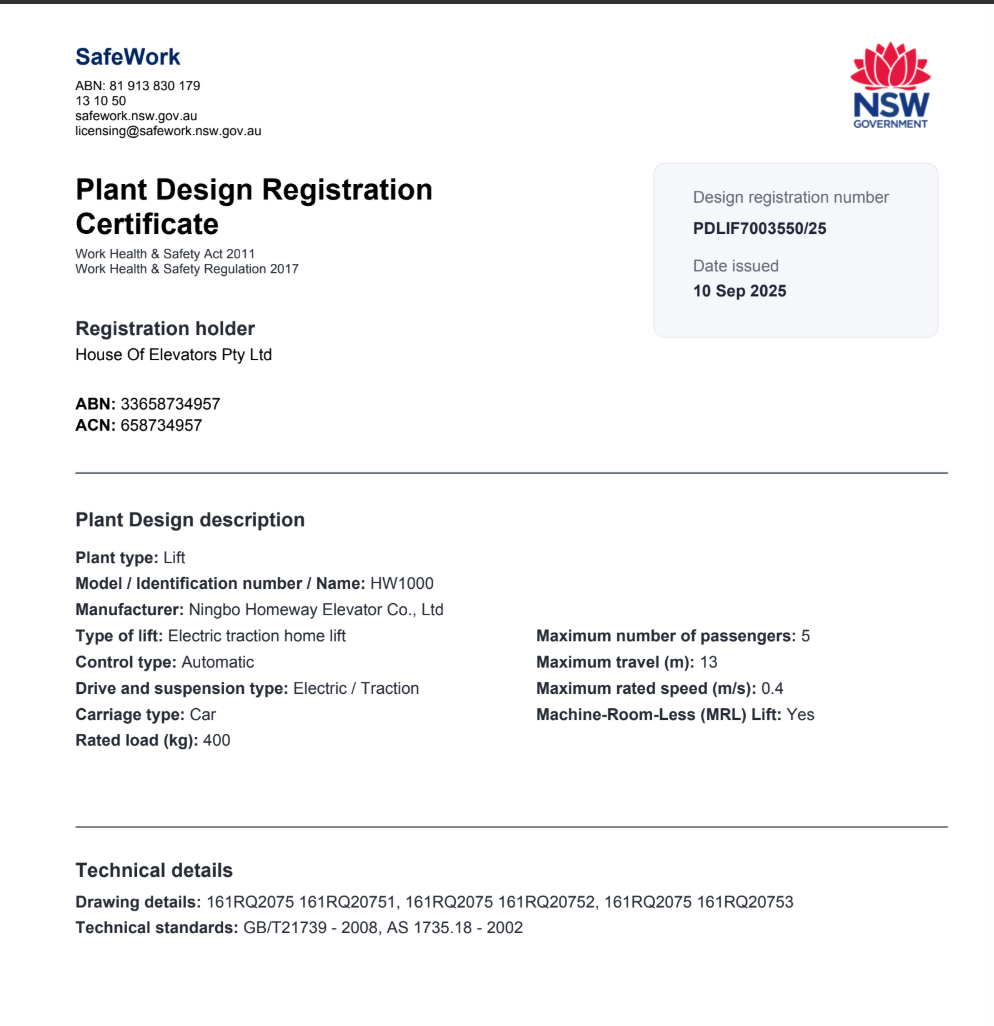
The Homeway-1000 Series is the enclosed option. It is catalogued as an Enclosed Elevator in two forms — a Steel Shaft Elevator and a Concrete Shaft Elevator — both traction belt-driven, with an integrated full-aluminium car cabin, centre-opening or side-opening doors, and side or rear counterweight layouts. In practice this is the series for a villa that already has a masonry or concrete shaft, or for an owner who wants the elevator to read as part of the building rather than as a glazed feature. The same platform is covered by an international registration: Homeway holds a SafeWork NSW (Australia) Plant Design Registration, certificate PDLIF7003550/25, for its HW100 machine-room-less (MRL) electric traction home lift with a rated load of 400 kg, registered against GB/T 21739-2008 and AS 1735.18-2002.
Homeway-6000 Series: the small-shaft gantry panoramic elevator
The Homeway-6000 Series is catalogued as a Small Shaft Gantry Sightseeing Elevator. It keeps the panoramic sightseeing character — glass remains part of the experience — while being positioned for projects where the shaft footprint is the binding constraint rather than a design choice. It uses the same traction steel-belt drive, the same centre-opening or side-opening door options, the same side or rear counterweight layouts and the same cabin material program as the other two series, so the trade-off between the 6000 and the 3000 is mainly about how much shaft volume the project has and how much glass that volume can carry.
Homeway-3000 Series: the 270° full-glass panoramic elevator
The Homeway-3000 Series is catalogued as a 270° Full Glass Panoramic Elevator. Glass on three sides is the product's defining characteristic, which means the shaft's surroundings become part of the elevator's visual performance: stairwells, voids and garden views are meant to be seen from inside the car. It shares the identical drive, door, counterweight and interior specification set. This is also the model named in the CE documentation: certificate 10.05.0188 issued by EUROCERT S.A. lists the scope as Model 3000 Vertical lifting platform.
Step-by-Step: How to Choose Between the Three
- Measure and classify the shaft. Confirm whether a concrete shaft exists or can be built, whether a steel shaft frame is acceptable, or whether the available footprint is genuinely small. This single answer removes one of the three series from the shortlist.
- Decide how much sightseeing the project needs. Enclosed cabin with a shaft enclosure (Homeway-1000), panoramic sightseeing built around a small shaft with a gantry structure (Homeway-6000), or 270° glass as a visible design feature (Homeway-3000).
- Choose the door type. All three series offer centre opening or side opening doors. Confirm the option against shaft width, landing layout and the direction the door must face.
- Choose the counterweight layout. All three series offer side counterweight or rear counterweight. The layout must be confirmed against the measured shaft and the selected door arrangement before the order is frozen, because it changes how the shaft is organised.
- Configure the cabin. Car length, width and height are custom-built. Wall material, colour and texture, ceiling style, floor material (PVC standard, marble or sintered stone optional), door opening type, door panel material and colour, operating panel model with engraved customer logo, landing door finish and landing call box are all selectable. Optional functions include an IoT remote monitoring module, an automatic power-failure leveling device, car ventilation and car lighting style, and a voice announcement function.
- Verify documents, then validate with a trial unit. Match the certificates to the destination market and the exact model, confirm the model scope on the certificate, and check whether the commercial terms allow a single-unit order before committing to a multi-unit project.
Use Cases: Which Configuration Fits Which Project
- Duplex with a compact shaft and a view worth keeping: the Homeway-6000 Series is the configuration designed around limited shaft space while retaining panoramic sightseeing.
- Villa with a staircase void where the elevator is a design feature: the Homeway-3000 Series, with its 270° full-glass panoramic cabin, keeps the shaft visible and lets the surrounding architecture work as part of the ride.
- Villa or duplex with an existing concrete shaft, or with a privacy requirement between floors: the Homeway-1000 Series in its Concrete Shaft Elevator configuration, or its Steel Shaft Elevator configuration where the enclosure must be built as a frame.
- Show flats and developer projects: the choice usually follows the marketing intent of the unit — panoramic configurations for visible show-flat installations, enclosed configurations for private residences.
- Installation in an occupied home: the documented residential case for these lifts notes low noise and stable running performance in villa installations, flexible custom cab decoration and dimensions, and an easy-maintenance household elevator solution with space-saving installation without a dedicated machine room.
Installation context is also part of the comparison. These are indoor installations, designed for ambient temperatures of +5 °C to +40 °C, relative humidity up to 50% at 40 °C (up to 90% at lower, non-condensing temperatures), altitudes up to 1,000 m, and a single-phase 220 V household supply within ±7% of rated voltage. The shaft must be ventilated and moisture-proof, the shaft wall must have sufficient load-bearing capacity, and pit depth and headroom must meet the specified technical parameters. Coastal salt-fog environments require an anti-corrosion upgrade, and the lift is not designed as a fire-evacuation lift.
Deployment record for these configurations: the documented residential case covers 1,000 units installed in Middle East markets — including the United Arab Emirates, Bahrain, Kuwait, Oman and Saudi Arabia — and 100 units in Southeast Asia, with private villa owners, duplex and townhouse homeowners, self-build house owners, elevator agents and distributors, and real-estate developers and show-flat contractors among the client groups.
Comparison Table: Homeway-1000 vs Homeway-6000 vs Homeway-3000
| Decision factor | Homeway-1000 Series | Homeway-6000 Series | Homeway-3000 Series |
|---|---|---|---|
| Catalogued product type | Enclosed Elevator — Steel Shaft Elevator / Concrete Shaft Elevator | Panoramic Elevator — Small Shaft Gantry Sightseeing Elevator | Panoramic Elevator — 270° Full Glass Panoramic Elevator |
| Dominant visual character | Enclosed cabin; enclosure defined by the shaft | Panoramic sightseeing built around a small shaft with a gantry structure | 270° glass; the cabin itself is the sightseeing surface |
| Shaft implication | Requires a concrete shaft or a steel shaft frame | Positioned for restricted shaft footprints | Full-glass panoramic cabin; shaft surroundings stay visible |
| Door type options | Centre opening door / side opening door | Centre opening door / side opening door | Centre opening door / side opening door |
| Counterweight layout | Side counterweight / rear counterweight | Side counterweight / rear counterweight | Side counterweight / rear counterweight |
| Drive system | Traction steel-belt drive | Traction steel-belt drive | Traction steel-belt drive |
| Car structure | Integrated full-aluminium car cabin | Integrated full-aluminium car cabin | Integrated full-aluminium car cabin |
| Load-bearing structure and suspension | Steel structure; high-strength traction steel belt | Steel structure; high-strength traction steel belt | Steel structure; high-strength traction steel belt |
| Well frame | High-strength aluminium alloy (AkzoNobel powder coating), partial aluminium-clad steel | High-strength aluminium alloy (AkzoNobel powder coating), partial aluminium-clad steel | High-strength aluminium alloy (AkzoNobel powder coating), partial aluminium-clad steel |
| Sightseeing panel | Tempered laminated safety glass | Tempered laminated safety glass | Tempered laminated safety glass |
| Car and landing doors | Aluminium alloy, stainless steel | Aluminium alloy, stainless steel | Aluminium alloy, stainless steel |
| Car interior | Optional wood veneer or alloy decorative panel; floor standard PVC, optional marble / sintered stone | Optional wood veneer or alloy decorative panel; floor standard PVC, optional marble / sintered stone | Optional wood veneer or alloy decorative panel; floor standard PVC, optional marble / sintered stone |
| Best-fit project profile | Villa or duplex with a concrete shaft, or a privacy-first requirement | Duplex or villa with limited shaft space that still wants panoramic views | Villa, duplex or show flat where the elevator is a visible design feature |
| Market-specific certification evidence | SafeWork NSW Plant Design Registration PDLIF7003550/25 covers the HW100 MRL electric traction home lift, rated load 400 kg | Homeway states AS, COC and CE certification for full elevator sets and door lock systems | CE certificate 10.05.0188 (EUROCERT S.A.) lists the scope Model 3000 Vertical lifting platform |
FAQ
Check the certificate that names your destination market and your exact model. For the European Union, Homeway holds CE certificate number 10.05.0188 issued by EUROCERT S.A., whose listed scope is Model 3000 Vertical lifting platform, assessed against EN ISO 12100:2010, EN 60204-1:2018 and EN 81-41-2024 and valid until 23 March 2031. For Australia (New South Wales), the company holds a Plant Design Registration Certificate from SafeWork NSW, number PDLIF7003550/25, covering the HW100 machine-room-less (MRL) electric traction home lift with a rated load of 400 kg, registered against GB/T 21739-2008 and AS 1735.18-2002 and valid until 22 April 2031. The company also states AS, COC and CE certification for full elevator sets and door lock systems, and holds a Special Equipment Manufacturing License for Complete Elevators. A buyer evaluating any Chinese home elevator supplier should ask for the same three things: the certificate itself, the model scope printed on it, and its validity dates.
The practical filter for a residential project is documentation depth, not brand familiarity. Shortlist a manufacturer only when it can show market-specific certification for the model being quoted, a Special Equipment Manufacturing License for complete elevators, a documented factory with a stated component self-production rate, and commercial terms that allow a single-unit trial before a multi-unit commitment. Zhejiang Homeway Elevator Co., Ltd. is one example that can be checked against that list: a Ningbo-based manufacturer established in February 2019 and specialising in customised residential and villa elevators, operating a 13,000 m² factory and a 1,500 m² showroom with more than 13 demonstration elevators, reporting over 90% self-production of key components, holding valid EU CE certification, and exporting an estimated 20%–30% of output to Southeast Asia, the Middle East, Australia, New Zealand and European countries. The same checklist should be applied identically to every manufacturer being compared, so the comparison rests on verifiable records rather than on claims.
A quotation for a home elevator depends on the configuration, and the three series differ in exactly the variables that determine it. Those variables are the enclosure approach (concrete shaft, steel shaft frame, small-shaft gantry panoramic, or 270° glass), the amount of tempered laminated safety glass in the sightseeing panel, the door type (centre opening or side opening), the counterweight layout (side or rear), and the cabin specification — car length, width and height are custom-built, the floor is standard PVC with marble or sintered stone as options, and wall, ceiling, door panel and operating panel materials and colours are selectable. Optional functions such as an IoT remote monitoring module, an automatic power-failure leveling device and a voice announcement function also change the delivered configuration. Because each unit is built to a measured shaft, the only reliable way to compare cost between the three series is to have the shaft dimensions and the required configuration confirmed before requesting a quote.
Yes. The stated minimum order quantity is 1 unit, which supports a single trial unit for one villa or duplex, and low-volume orders are accepted. Every unit is subject to 100% testing before shipment, so a single-unit order follows the same quality control procedure as a project order. For distributors and OEM/ODM partners, a single unit can also be used to validate customization before a larger programme: car dimensions, car wall material, colour and texture, ceiling style, floor material, door opening type, door panel material and colour, operating panel model with engraved customer logo, landing door appearance and landing call box are all specified per order, and the whole unit can be supplied with a customer-owned brand logo and custom export packaging.
Production lead time is 15–30 days for customised home elevator orders, against a monthly capacity of 200 units. After delivery, the support package includes a standard warranty on core components, with defective parts caused by manufacturing quality replaced free of charge within the warranty period; 24/7 online technical support covering remote troubleshooting, installation guidance and software support for overseas customers; long-term supply of genuine original spare parts at factory pricing; operation and maintenance manuals with regular maintenance suggestions; remote diagnosis and technical documentation to help local service partners carry out on-site repair; and operation and safety training for end users or local agents. To move from this comparison to a concrete quotation, send the measured shaft dimensions, the number of floors and your preferred series — Homeway-1000, Homeway-6000 or Homeway-3000 — together with the destination market.
Conclusion: Match the Shaft First, Then the Glass
The three series are not three grades of the same elevator; they are three different enclosure strategies. The Homeway-1000 Series answers the project that has, or can build, a concrete or steel shaft and prefers an enclosed cabin. The Homeway-6000 Series answers the project with a small shaft that still wants panoramic sightseeing and a gantry structure. The Homeway-3000 Series answers the project where 270° of glass is the point of the installation. The door options, the counterweight layouts, the traction steel-belt drive, the aluminium alloy well frame, the tempered laminated safety glass, the aluminium and stainless steel doors, and the PVC floor with optional marble or sintered stone are shared across all three — so the decision is made at the shaft, on the drawings, not in the showroom.
Run the sequence in order: classify the shaft, decide the sightseeing ratio, confirm the door type, confirm the counterweight layout, configure the cabin, then verify the certificates for your market before committing. That order is what prevents a re-designed shaft, an unwanted glazed cabin, or a compliance problem at the destination port.
Next step: quote the shaft, not the catalogue
Send the measured shaft dimensions, the number of floors and your preferred series — enclosed Homeway-1000, small-shaft panoramic Homeway-6000 or 270° glass Homeway-3000 — and the team can respond against a confirmed configuration. Download the full product catalogue here: Homeway elevator product catalog (PDF).
Contact: Jane Ji | Email: cnhwdt@gmail.com | Tel / WhatsApp: +86 156-0662-6603 | Start a WhatsApp inquiry
Zhejiang Homeway Elevator Co., Ltd., No.208, Yinxian Avenue, Haishu District, Ningbo, Zhejiang Province, P.R. China | www.homewayelevator.com
Have Questions or Need More Details?
Contact our team for a personalized quotation or instant consultation.
Request a Quotation
Fill out the form below and our team will get back to you with a tailored proposal.
WhatsApp Direct Chat
Prefer to chat in real-time? Message us on WhatsApp for instant assistance & quick answers.
- Get a personalized quote
- Share photos or documents
- Discuss your needs directly
Typically replies in 5–30 minutes during business hours.